
Key Highlights
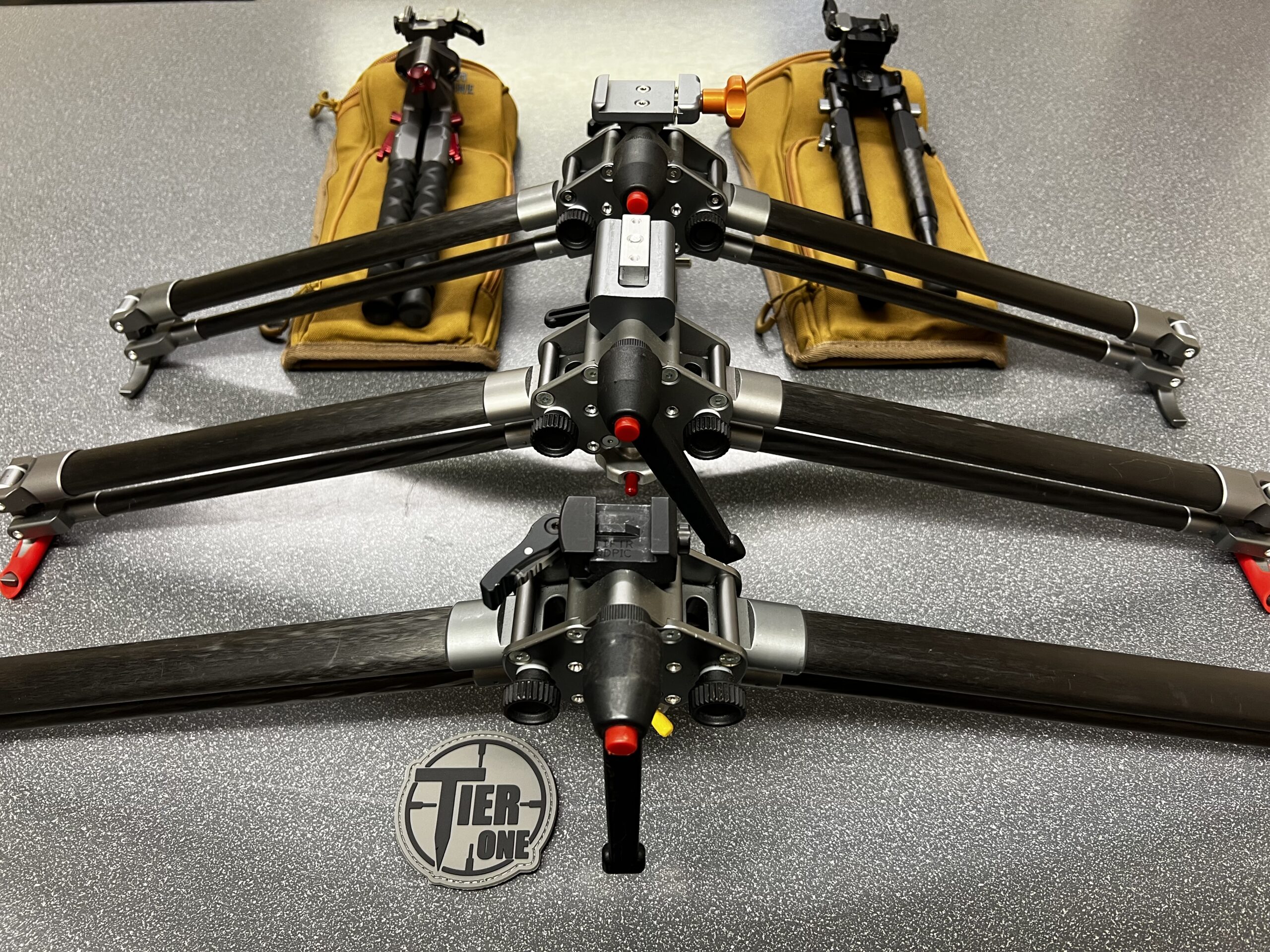
- A good benchrest bipod gives you a solid base, better front stability, and a steadier sight picture for precision shooting – we offer this for all our Club rifles to members. Tight tolerances in the mechanical structure help reduce unwanted play, which supports repeatable accuracy and reliability. You can buy high-quality benchrest bipods online from reputable retailers specializing in shooting accessories and precision gear. Many trusted websites offer a wide selection, allowing you to compare features to ensure the bipod meets your requirements for a solid base and precision.
- Tight tolerances in the mechanical structure help reduce unwanted play, which supports repeatable accuracy and reliability.
- Strong materials such as carbon fiber, aluminum, and 7075 alloy improve durability and resist wear over years of use – offered by Tier-One.
- Feet options, leg extensions, and mount choices affect versatility on a bench, uneven terrain, and tactical chassis setups.
- Tier-One, ATAC, SEB Neo-X, and ACCUTAC each serve different shooters, calibers, and shooting styles.
Introduction
Choosing the right bipod can change how your rifle feels on the bench. For shooters chasing precision, the front support matters just as much as the rifle and optic. A well-made benchrest bipod helps keep the firearm steady, reduces movement, and gives you better control over elevation and follow-through. That means a calmer sight picture and more confidence when the shot breaks. If you want consistency, a strong and stable support system is not optional. It is part of the setup.
Understanding the Role of Benchrest Bipods in Precision Shooting
A benchrest bipod supports the front of your rifle in a way that helps limit small movements from body tension, breathing, and position changes. For shooters aiming at tiny groups, that matters. A more stable bipod improves precision by giving the rifle a repeatable starting point for every shot.
Just as important, it improves the shooting experience. You spend less effort fighting wobble and more effort managing aim, trigger press, and follow-through. That is why experienced shooters often see a benchrest bipod as a core part of a serious precision setup.
The Critical Need for Stability and Accuracy at the Bench
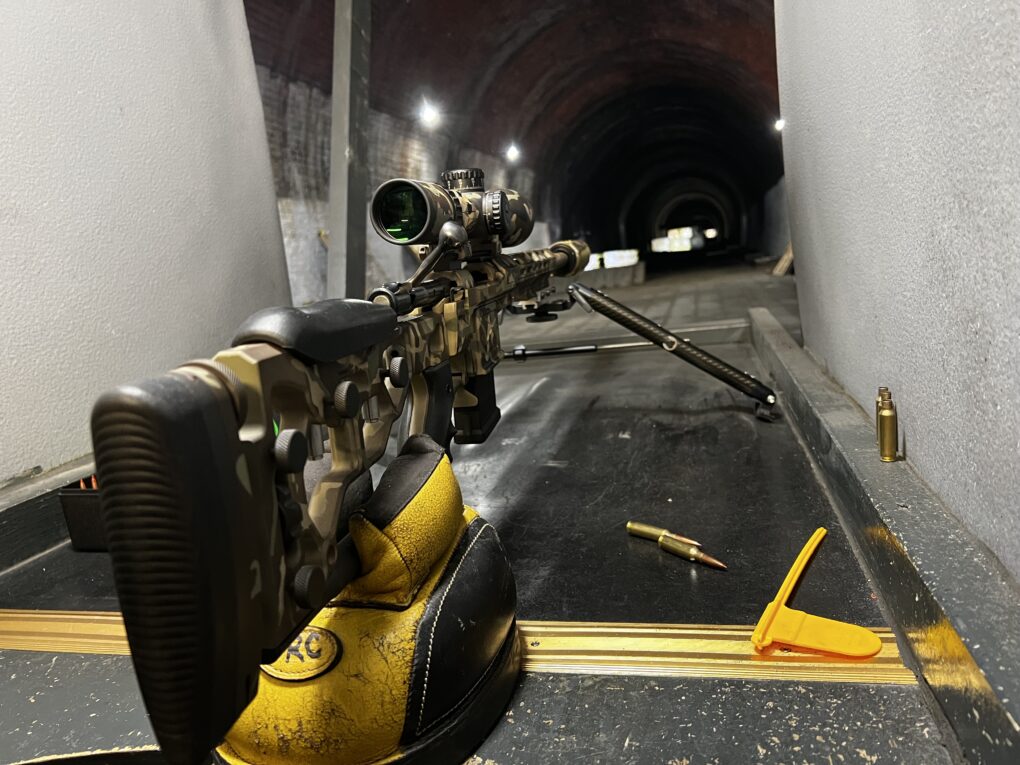
At the bench, the goal is simple: remove as much unnecessary movement as possible. A benchrest bipod helps by creating a solid base under the forend, which cuts down rifle wiggle and makes the setup more predictable. When the front end stays planted, your point of aim is easier to maintain.
That extra stability supports better accuracy, especially as distance increases. Even tiny shifts at the rifle can turn into missed points downrange. A wider footprint, rigid legs, and a secure attachment all help keep the rifle tracking in a more controlled way through the shot.
You also notice the difference after recoil. Instead of rebuilding your position every time, the rifle returns in a more repeatable manner. For benchrest work, that repeatability is a major reason why shooters invest in purpose-built support rather than relying on makeshift rests.
Comparing Benchrest Bipods to Traditional Shooting Rests and Tripods
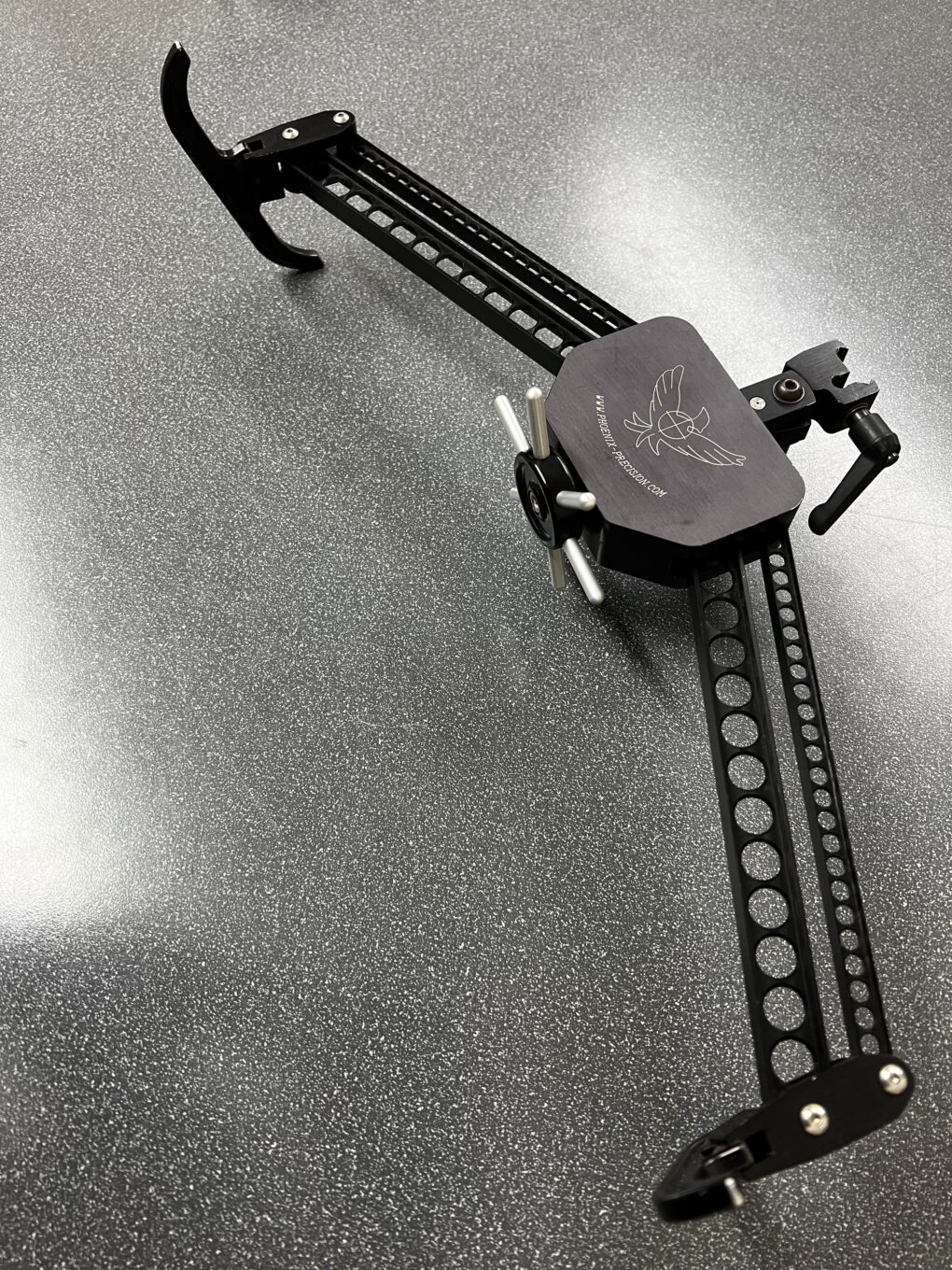
Not every front support does the same job. A bipod is attached to the rifle, which gives you a direct and repeatable connection to the firearm. A traditional shooting rest can offer excellent steadiness, while a tripod often brings more field versatility. Your choice depends on how you shoot and what your rifle needs.
For bench work, many shooters prefer systems that keep the rifle low, wide, and controlled. A dedicated shooting rest may feel very planted, but a quality bipod can offer a strong mix of accuracy and portability. A tripod shines more when positions and terrain change often.
- A benchrest bipod gives attached, repeatable front support.
- A tripod offers broad versatility across positions and terrain.
- A shooting rest can provide very calm bench accuracy.
- Benchrest bipods often balance stability with simpler rifle handling.
Essential Features of a Quality Benchrest Bipod
What makes the best bipod stand out? Start with quality where it counts: tight tolerances, rigid construction, dependable adjustment, and a secure attachment system. If parts shift, flex, or wear quickly, your rifle will show it on target.
You should also look at material choice, footprint, and how the bipod handles cant or elevation changes. A benchrest model is not just a place to rest the rifle. It is a precision tool. The next two sections break down why tight tolerances and strong materials matter so much.
Importance of Tight Tolerances in Mechanical Structure
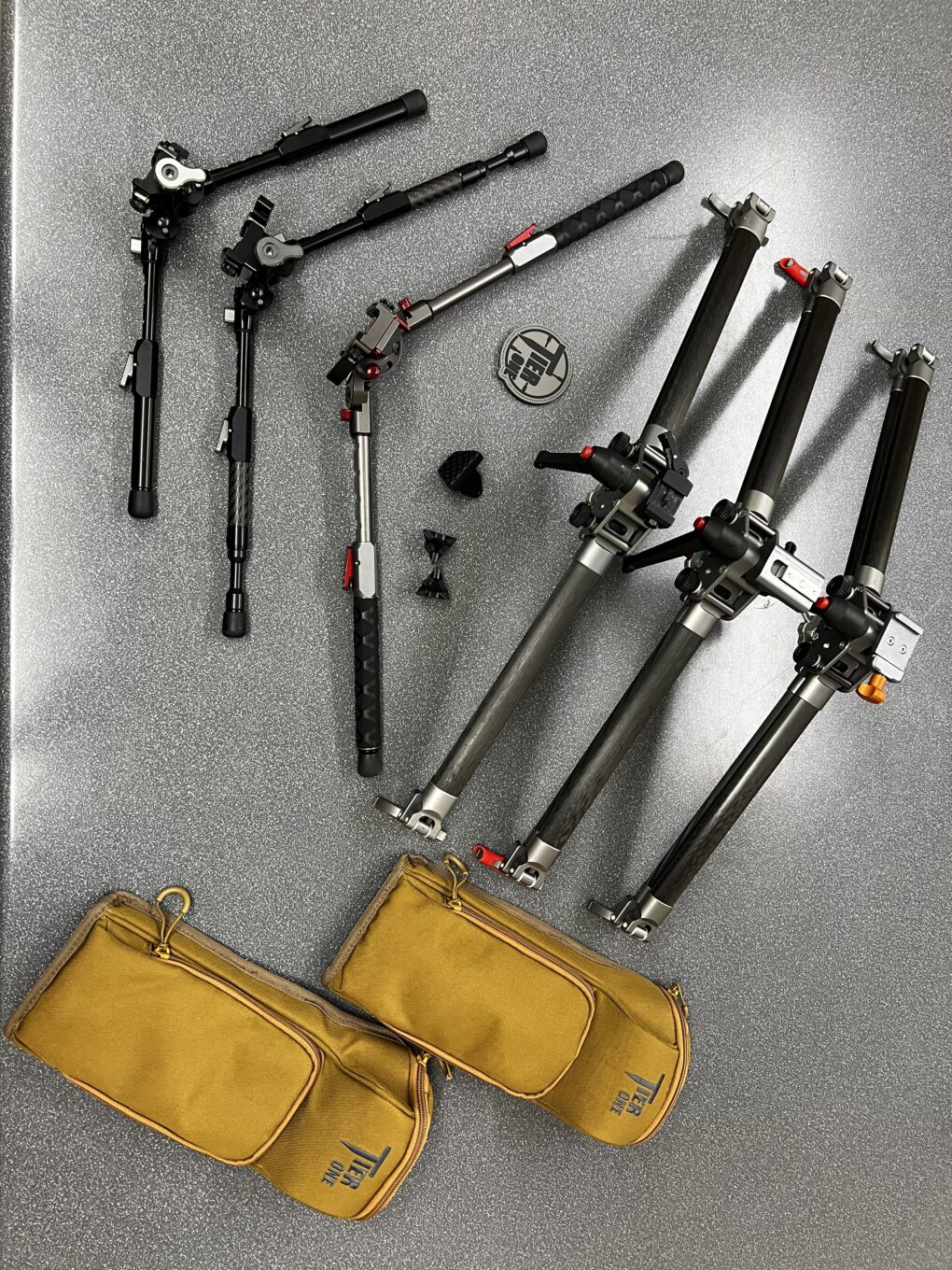
Tight tolerances in the mechanical structure help a bipod feel locked in rather than loose or vague. That matters when you are trying to hold on a small target. If the joints, pivots, or adjustment points have excess play, precision suffers because the rifle never settles the same way twice.
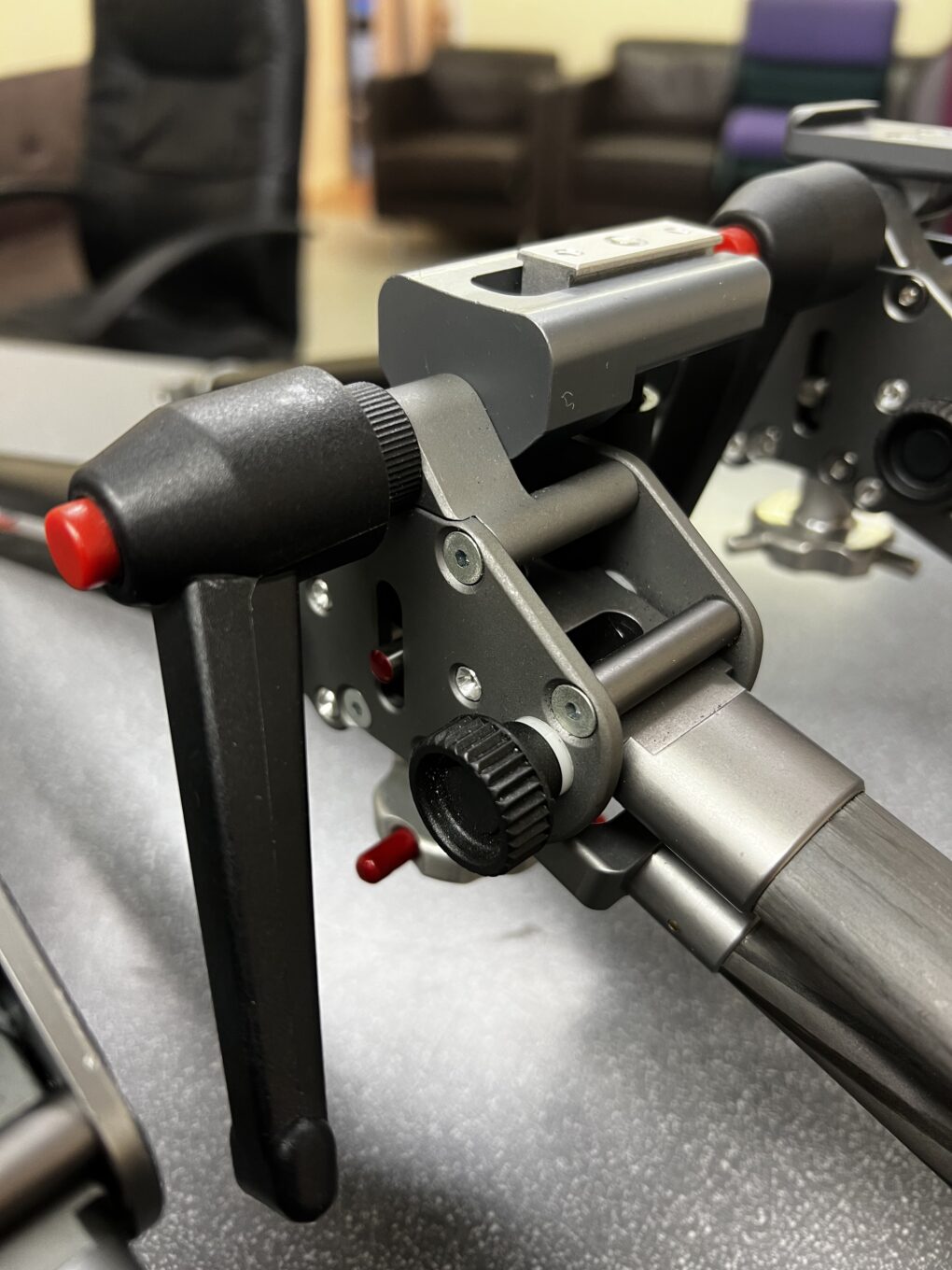
You can see the value of this in models that offer controlled adjustment through a capstan wheel, lever, or joystick system. These controls work best when internal fit is consistent. A cant tension lever, for example, needs predictable resistance so you can set the rifle level without sudden movement.
Reliability comes from repeatable function, not just clever design. Shooters benefit when the bipod snaps into solid positions, locks securely to the rail, and keeps movement controlled. Small mechanical slop may seem minor, but at the bench it can show up as larger group spread and less confidence behind the rifle.
Material Strength and Durability for Longevity
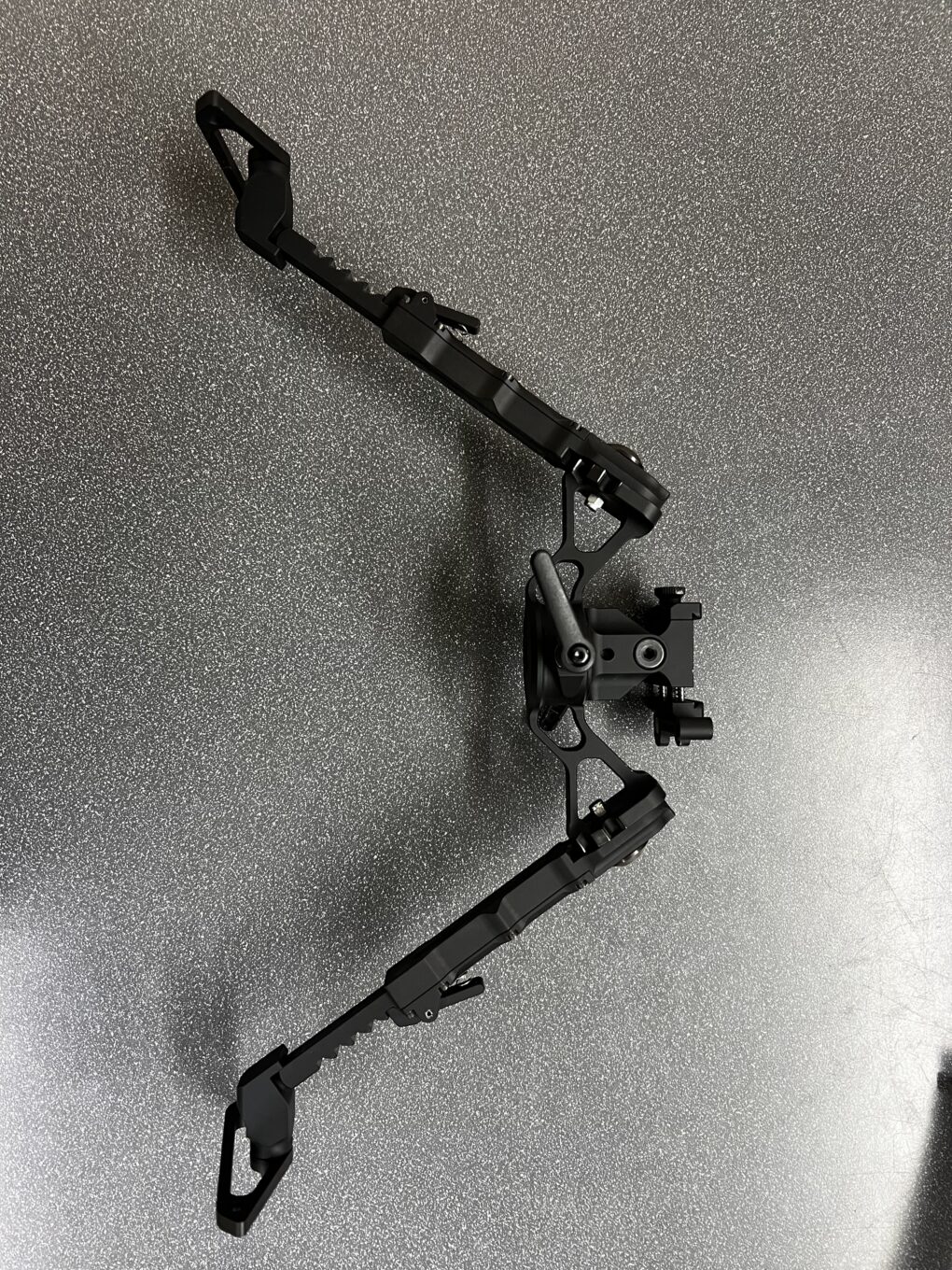
Material strength is a major part of bipod performance. Carbon fiber, aluminum, and 7075 alloy are used because they can keep weight low while still providing the rigidity precision shooters need. A bipod that bends, twists, or wears at key points will not stay consistent for long.
Weight matters too, but only when it supports the job. Some designs offer impressive stiffness at surprisingly low ounces. The Tier-One FTR Carbon Bipod weighs about 550g without the adapter, while the ATAC 180mm carbon Picatinny version is listed at 12.875 ounces. Those numbers matter because they show how advanced materials can reduce bulk without losing control.
Durability also means resistance to long-term wear. Hard-coat anodized finishes and well-chosen alloys help a bipod stand up to repeated use. Whether you compare premium options with brands like Caldwell in the wider market or focus on top-end systems, longevity starts with strong materials and careful manufacturing.
How Benchrest Bipods Enhance Front Stability and Elevation Control
A benchrest setup works best when the front support does more than just hold weight. It should help you manage stability and control elevation in a precise, repeatable way. That is where a quality benchrest bipod stands apart from a basic field model.
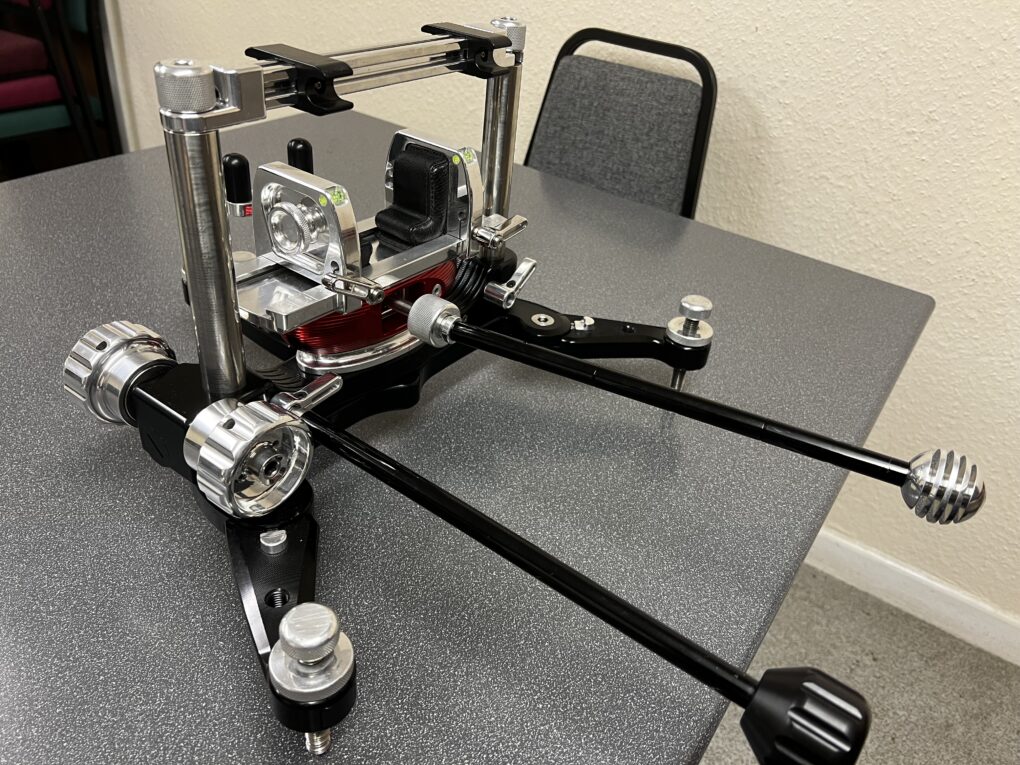
Some designs use capstan wheels, tension controls, or joystick-style systems to make elevation changes smoother and more exact. When that control is paired with a wide stance and rigid structure, your rifle stays calmer before, during, and after the shot. The following sections look at those details more closely.
Mechanisms for Managing Elevation Adjustments
Elevation control can be the difference between chasing the target and settling on it with confidence. Some bipods use simple leg extension for gross adjustment, while more refined designs add a wheel, lever, or dedicated mechanism for finer movement. That gives you more control without disturbing your shooting position.
The Tier-One FTR uses a precise capstan wheel to help get on target, and it also allows cant adjustment through a tension lever. That combination matters because you can level the rifle and refine the front height with less disruption to the rest of the setup.
At the high end, the SEB Neo-X takes adjustment further with rapid elevation features and joystick control. It also includes a handwheel and a driver that can raise or lower the top from a distance. For benchrest shooters, that kind of adjustment helps keep the rifle settled while making small corrections.
Keeping Your Firearm Steady During Recoil and Follow-through
A quality bipod does not stop helping once the trigger breaks. It also influences how the rifle behaves during recoil and follow-through. If the front support is wide, rigid, and planted well, the firearm tracks more cleanly and returns closer to the original line of aim.
That is one reason ski-style feet are so useful in certain designs. The Tier-One FTR runs on ski feet and is described as tracking effortlessly on uneven terrain and on a shooting bench. That controlled movement gives you a repeatable platform with minimal disturbance to your shooting position.
For your shooting experience, that means less time rebuilding position after every shot. It also means more confidence when shooting heavier rifles or larger calibers. A reliable option should help the rifle stay steady, not bounce unpredictably, especially when precision is the goal.
Exploring Benchrest Bipod Feet Options and Leg Extensions
Feet and leg extensions can change how a bipod behaves just as much as the main body. Different feet affect grip, slide, and tracking, while leg extensions help you adapt the rifle to more shooting positions and surface conditions. That adds real versatility.
This becomes even more important when you move between a smooth bench, rough ground, or uneven terrain. Some shooters need the rifle very low and wide. Others need added clearance for a chassis, air rifle bottle, or field obstacles. The next sections compare feet styles and explain where extensions make sense.
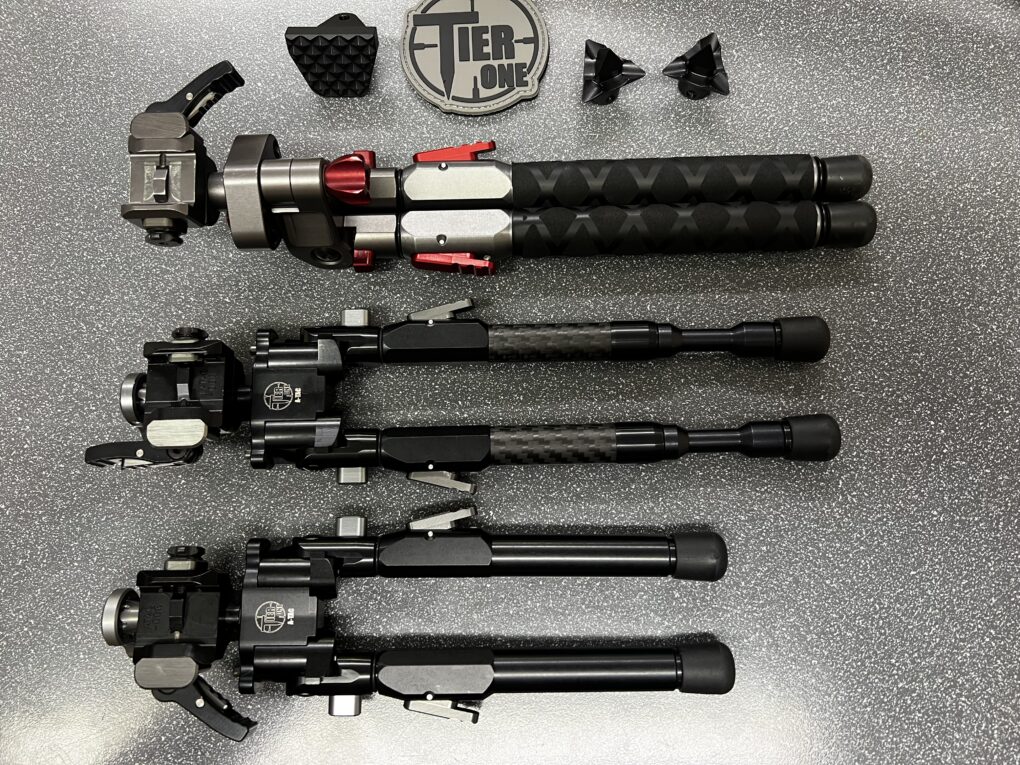
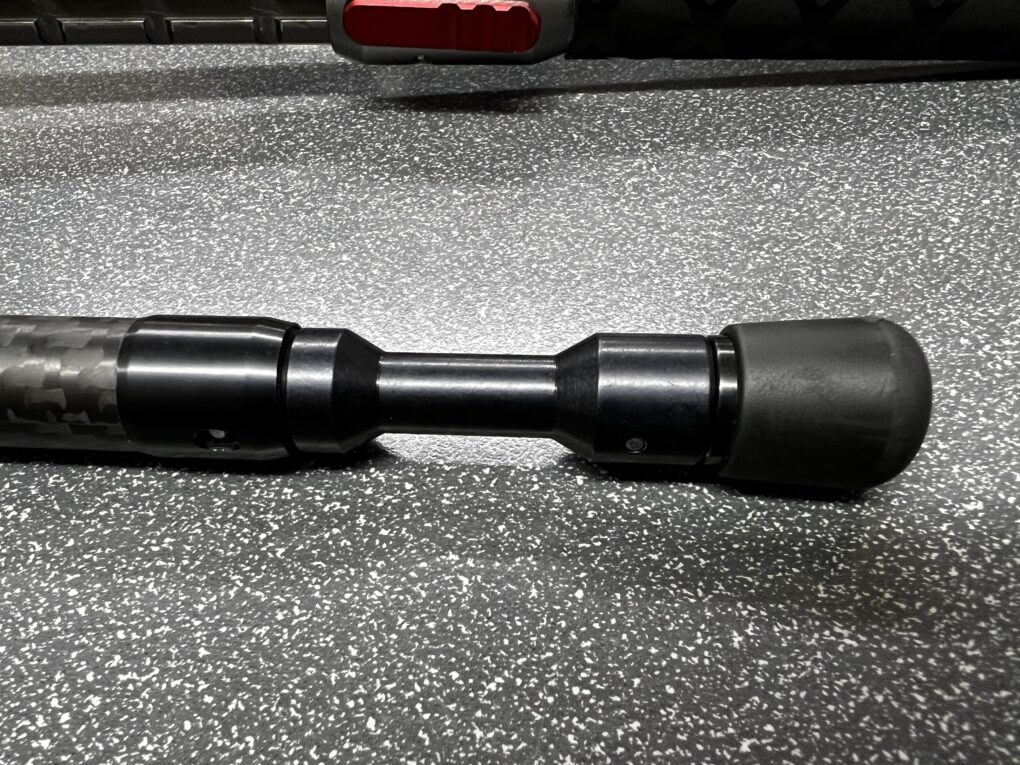
Comparing Spike, Skii, and Rubber Feet Variants
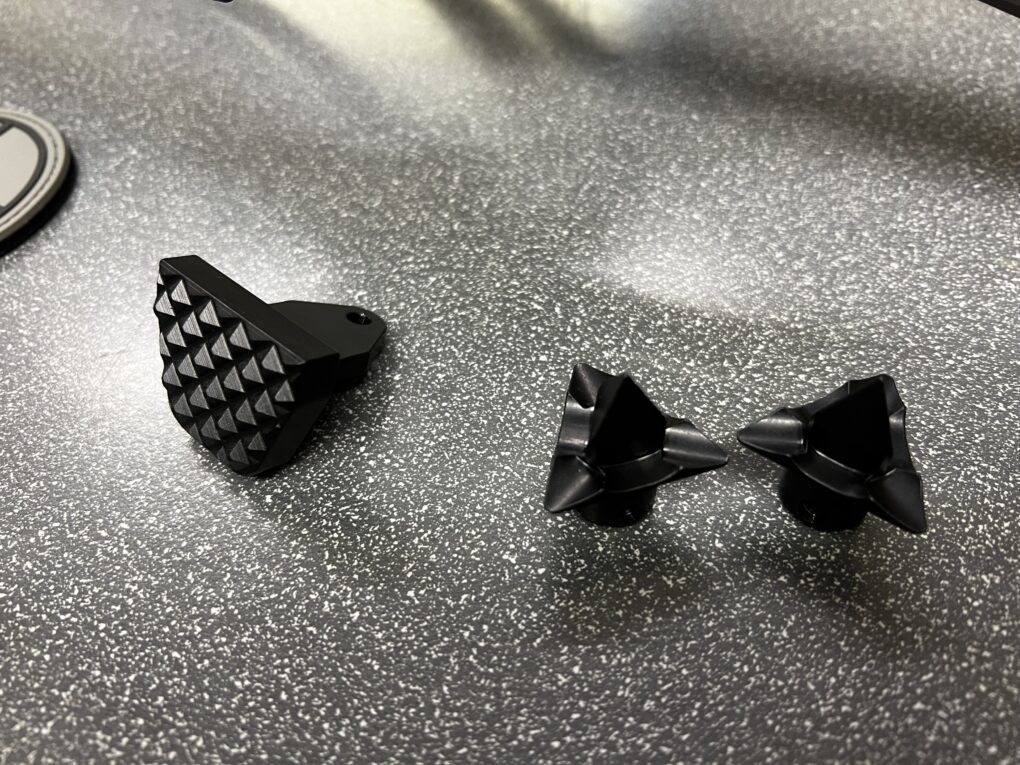
Feet choice shapes how the bipod interacts with the surface under the rifle. Spike feet are usually chosen when you want the bipod to bite into the ground. Rubber feet are generally favored when you want grip without marking a hard surface. Skii feet behave differently because they are built to track and glide more smoothly.
For benchrest use, skii feet can be very useful when the goal is repeatable recoil movement. The Tier-One FTR uses skii feet to track with minimal disturbance on a bench and on uneven terrain. ACCUTAC is also known for skii feet in a more tactical design, especially where controlled movement and heavier calibers matter.
Here is a simple comparison:
| Feet Type | Best Use | Main Advantage | Limitation |
|---|---|---|---|
| Spike feet | Soft ground, outdoor use | Bites in for a solid base | Less ideal on hard benches |
| Skii feet | Benchrest, tracking recoil | Smooth return and repeatable movement | Can slide too freely on some surfaces |
| Rubber feet | Hard surfaces, general use | Good grip and simple setup | Less tracking benefit under recoil |
Practicality of Leg Extensions for Various Shooting Platforms
Leg extensions are most useful when your rifle or environment demands more clearance. On some shooting platforms, especially modern chassis systems, a little extra height can improve comfort and alignment. They can also help when the ground is rough or when you need to clear obstacles under the forend.
The ATAC Bipod shows why this matters. It offers 50mm leg extensions as an accessory and has broad leg movement with forward rake, splay, and extension. That gives shooters many setup choices across different positions. It is practical when switching from bench use to field-style shooting or barricade work.
This flexibility also helps with tactical chassis rifles and air rifles. One ATAC review noted its value for air rifles with a bottle under the barrel because of how low and wide it can run. So leg extensions are not always necessary, but when matched to the rifle, they add meaningful versatility.
Mounting Options Explained: ARCA, Picatinny, and Anschutz Rails
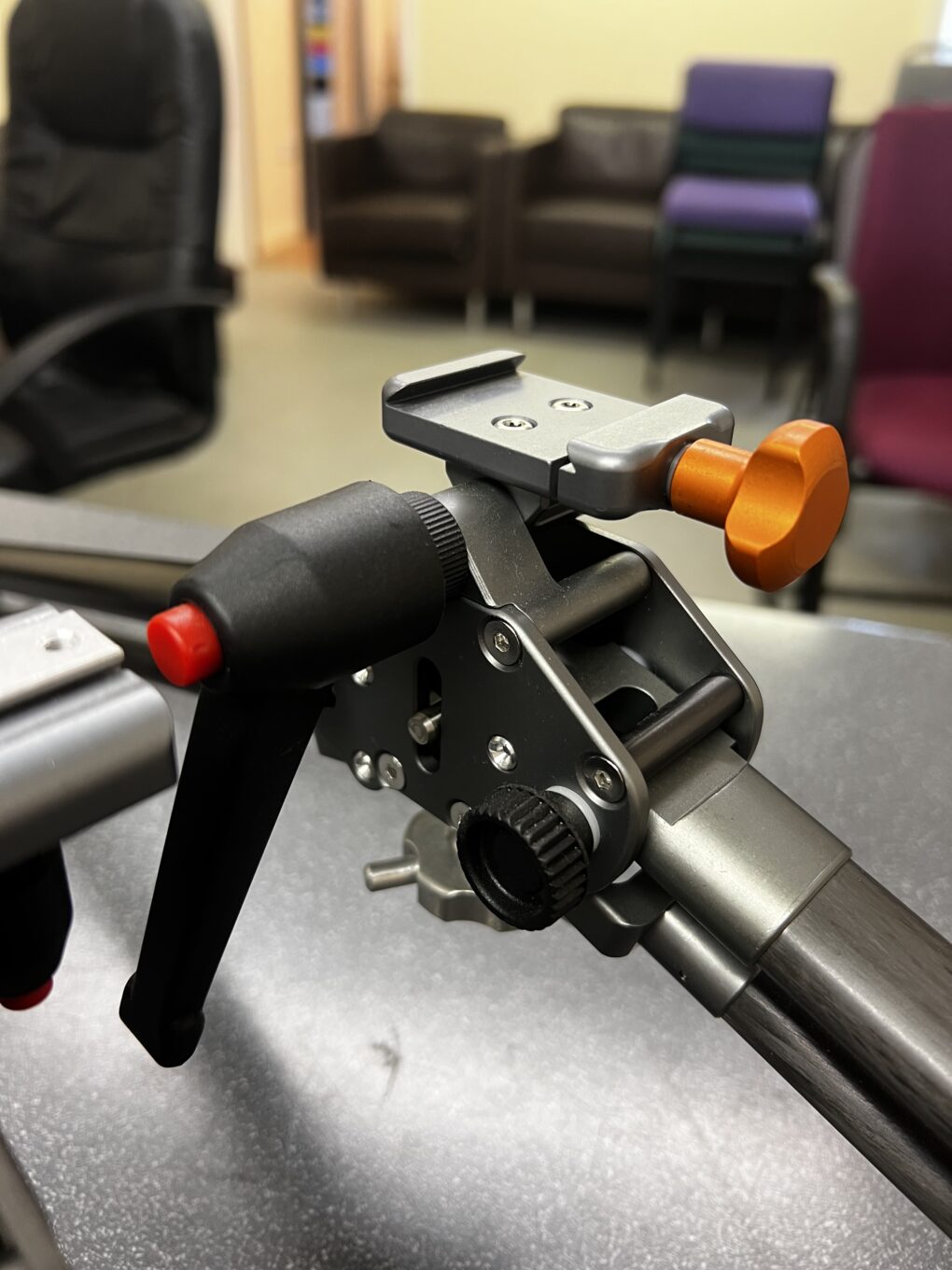
Mount choice affects how secure the bipod feels and how easily it fits into your setup. Picatinny, ARCA, and Anschutz are common systems, and each supports a different style of rifle or use case. A poor attachment can undermine an otherwise excellent bipod.
Benchrest shooters should think about both security and practicality. The Tier-One FTR can use supplied Anschutz, Freeland, or sling swivel stud adapters, with a QD Picatinny adapter available. ATAC uses interchangeable ARCA and Picatinny adapters. Those options matter because the right mount helps the bipod work with your rifle, not against it.
Adapting Bipods to Tactical Chassis Setups
Modern tactical chassis rifles often use ARCA or Picatinny interfaces, and that makes adapter choice especially important. A good attachment system should lock up securely, detach quickly when needed, and keep the bipod from shifting under load. That is a big part of making the setup feel refined rather than improvised.
The ATAC Bipod fits this role well because it is modular and supports interchangeable ARCA and Picatinny adapters. Its Smooth-Cam QD system is designed for fast detach while staying secure on the rail. For chassis users, that kind of versatility is useful when moving the same bipod between rifles.
If your rifle uses an MDT-style chassis or similar layout, ARCA can be attractive because it allows fast placement changes along the forend. Picatinny remains a strong choice for simple, rugged attachment. The best answer depends on how often you move the bipod and how fixed your shooting position is.
Selecting the Right Mount for Your Precision Rifle
The right mount starts with the rifle in front of you. Does your precision rifle have an ARCA rail, a Picatinny section, or an Anschutz-style rail? Once you answer that, finding the right bipod becomes much easier. A secure attachment gives you better repeatability and more confidence behind the gun.
For example, the Tier-One FTR offers supplied Anschutz, Freeland, or sling swivel stud adapters, with a Picatinny option available. That makes it easier to fit traditional competition-style rifles. ATAC, by contrast, leans into ARCA and Picatinny flexibility for broader use across modern rifles.
The best bipod mount is the one that matches your rifle without extra compromise. If you use a tactical chassis, ARCA or Picatinny often makes sense. If you shoot a more traditional benchrest or target rifle, Anschutz-style attachment may be the cleaner solution.
Leading Brands and Models in Benchrest Bipods
When shooters talk about leading brands, the discussion often includes names like Harris bipod, Atlas, Tier, MDT, and Caldwell. Those brands appear in the broader bipod market for good reason. Still, not every model is built for true benchrest-style control.
For this article, the focus is on premium systems that highlight front stability, precise adjustment, and strong construction. Tier-One, ACCUTAC, SEB Neo-X, and ATAC each bring something different. The next sections look at where each model fits and why experienced shooters may prefer one over another.
Tier-One FTR and Its Benefits for F-Class Shooting
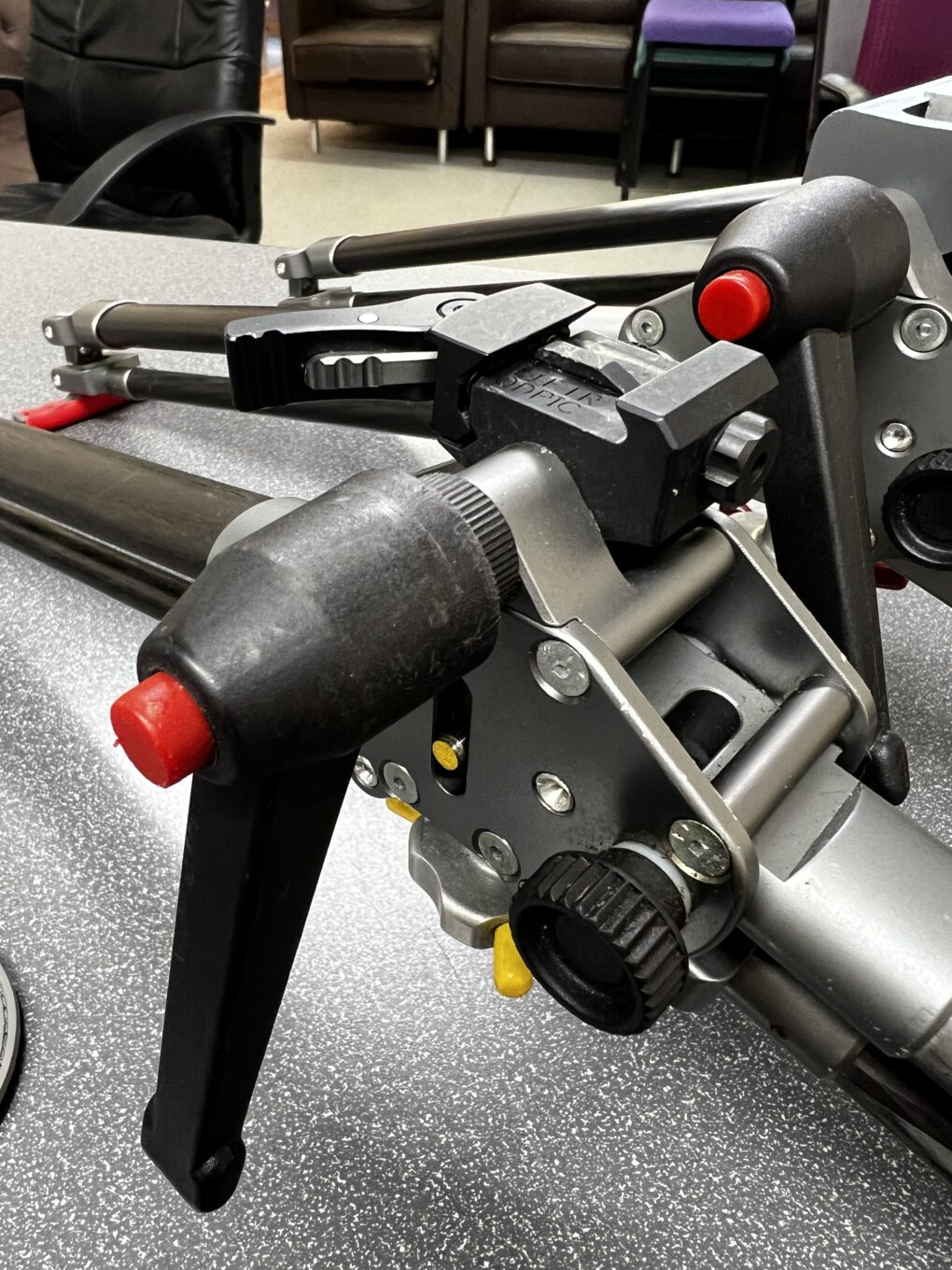
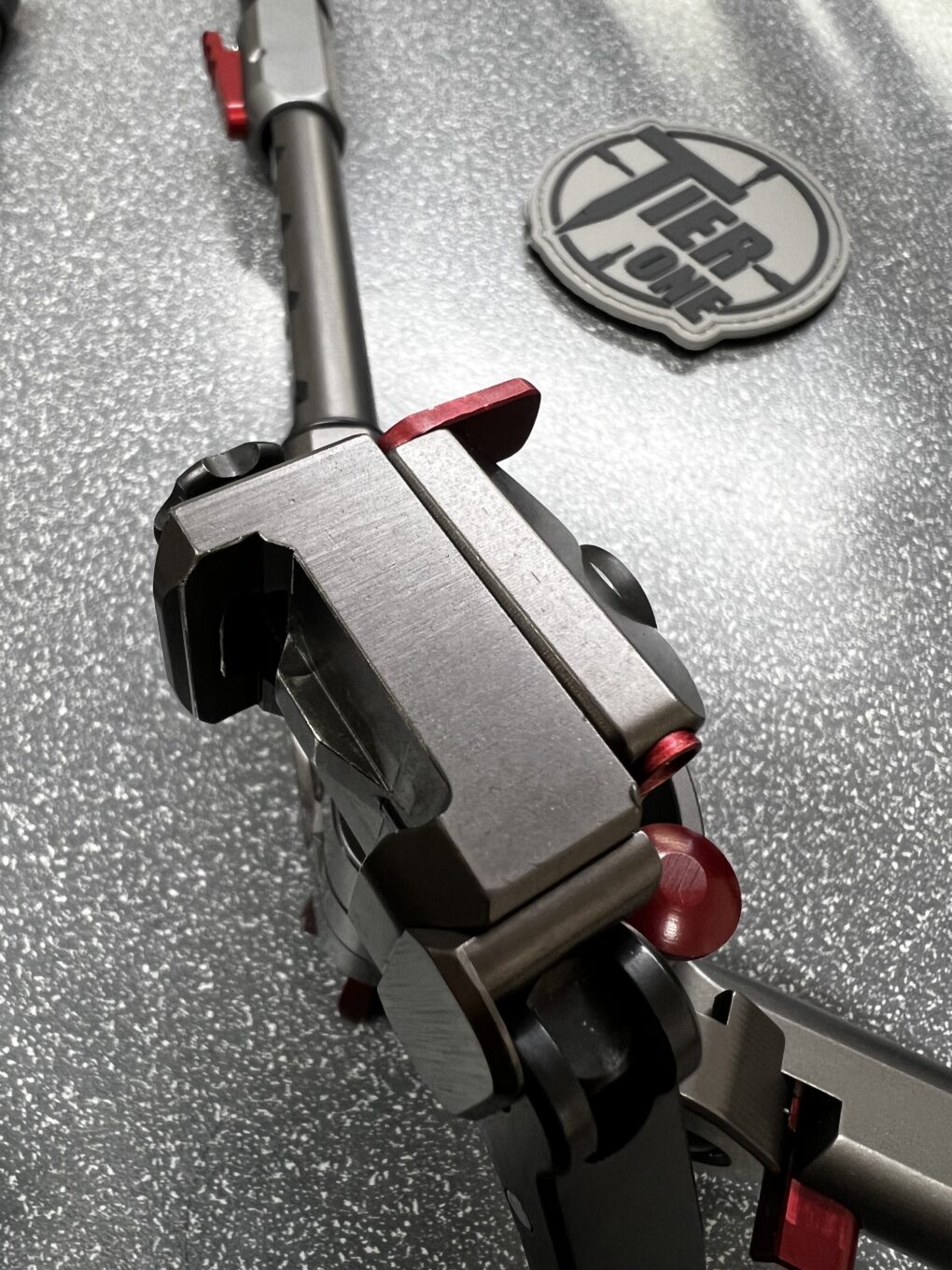
The Tier-One FTR Carbon Bipod is built for shooters who want a wide, stable benchrest or F-Class platform without excessive weight. Its carbon fiber legs and aluminum structure give it a strong strength-to-weight ratio, while the maximum footprint of 660mm helps support a very planted front end.
It weighs about 550g without the adapter, yet it is tested and recommended for up to .50 caliber. That says a lot about the structure. For F-Class use, features such as the capstan wheel for aiming adjustment and the cant tension lever are important because they allow measured control rather than rough repositioning.
Another strong point is mounting flexibility. The FTR ships with Anschutz, Freeland, or sling swivel stud adapters, with a QD Picatinny adapter available separately. Add its skii feet and you get a benchrest-ready bipod that tracks smoothly. For shooters in England and beyond, it is a serious FTR option.
ACCUTAC Bipod: Tactical Features and Suitability for Larger Calibers
ACCUTAC has a strong reputation among shooters who want a tactical design with substantial support. In the compiled information, ACCUTAC is discussed alongside extended-range use and a setup that favors added composure and reduced wiggle. That points to its value when stability matters more than light carry weight.
The tactical appeal comes from robust construction and features such as skii feet on certain models, which help the rifle track through recoil. That style can work well on a benchrest line too, especially for shooters running larger calibers and wanting the front end to stay controlled rather than hop or twist.
If your rifle is heavy, your recoil is stronger, or your use crosses from bench to long-range tactical shooting, ACCUTAC can be a very good fit. It may not be the lightest best bipod choice, but it suits shooters who prioritize strength, steadiness, and recoil management.
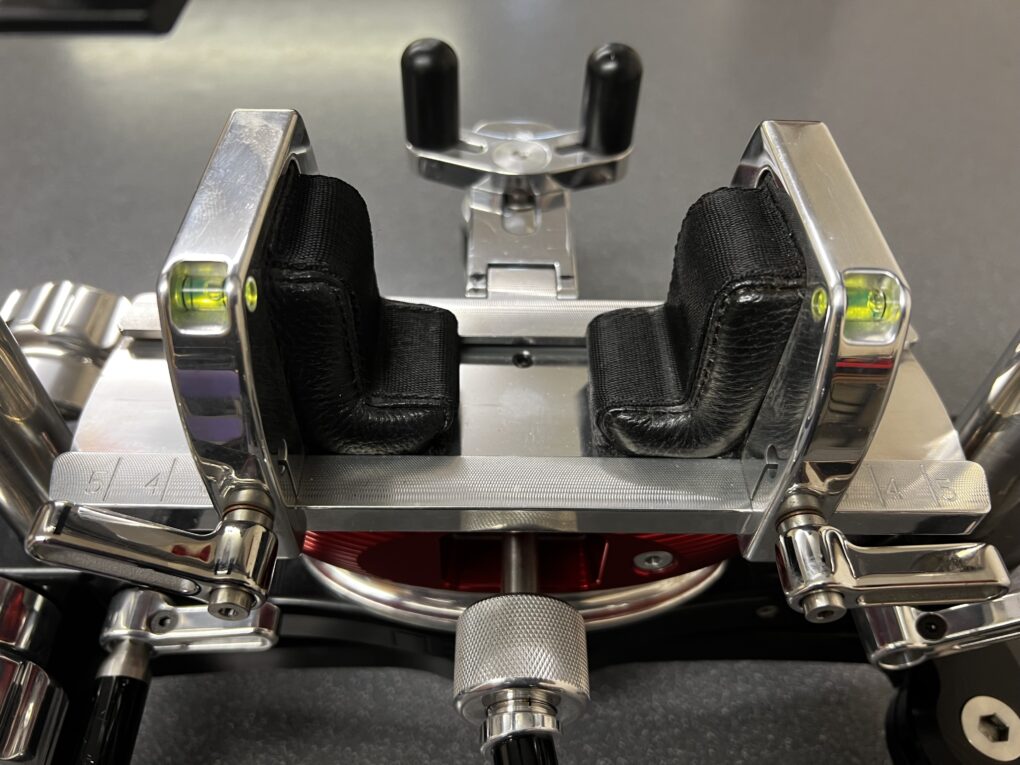
SEB Neo-X Benchrest: Micro Adjustments with Joystick Controls
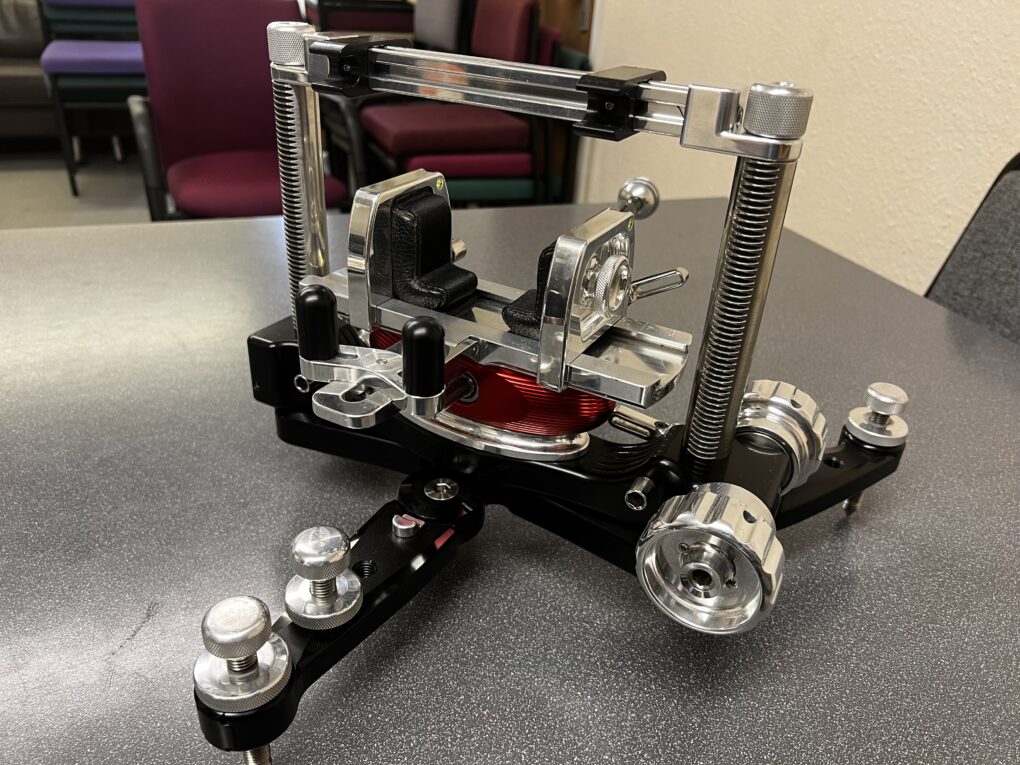
The SEB Neo-X is not a bipod in the usual sense. It is a dedicated front rest for shooters who want the most refined benchrest control possible. Its design combines rapid elevation adjustment, a wide footprint, and a top that can swivel 360 degrees while accepting up to a six-inch fore-end.
What sets the Neo-X apart is the joystick system. It uses a refined internal mechanism for extra smooth action, larger joystick travel, and easier tension adjustment. That lets you manage micro adjustment left and right, while also controlling elevation with impressive precision. For careful bench shooting, that matters.
Its footprint is extra wide when opened, and the rest can cover air rifle and rimfire targets as well as centerfire work. Add folding legs, bubble levels, and optional feet configurations, and the Neo-X becomes a highly specialized benchrest tool for shooters who want exact control from the front rest.
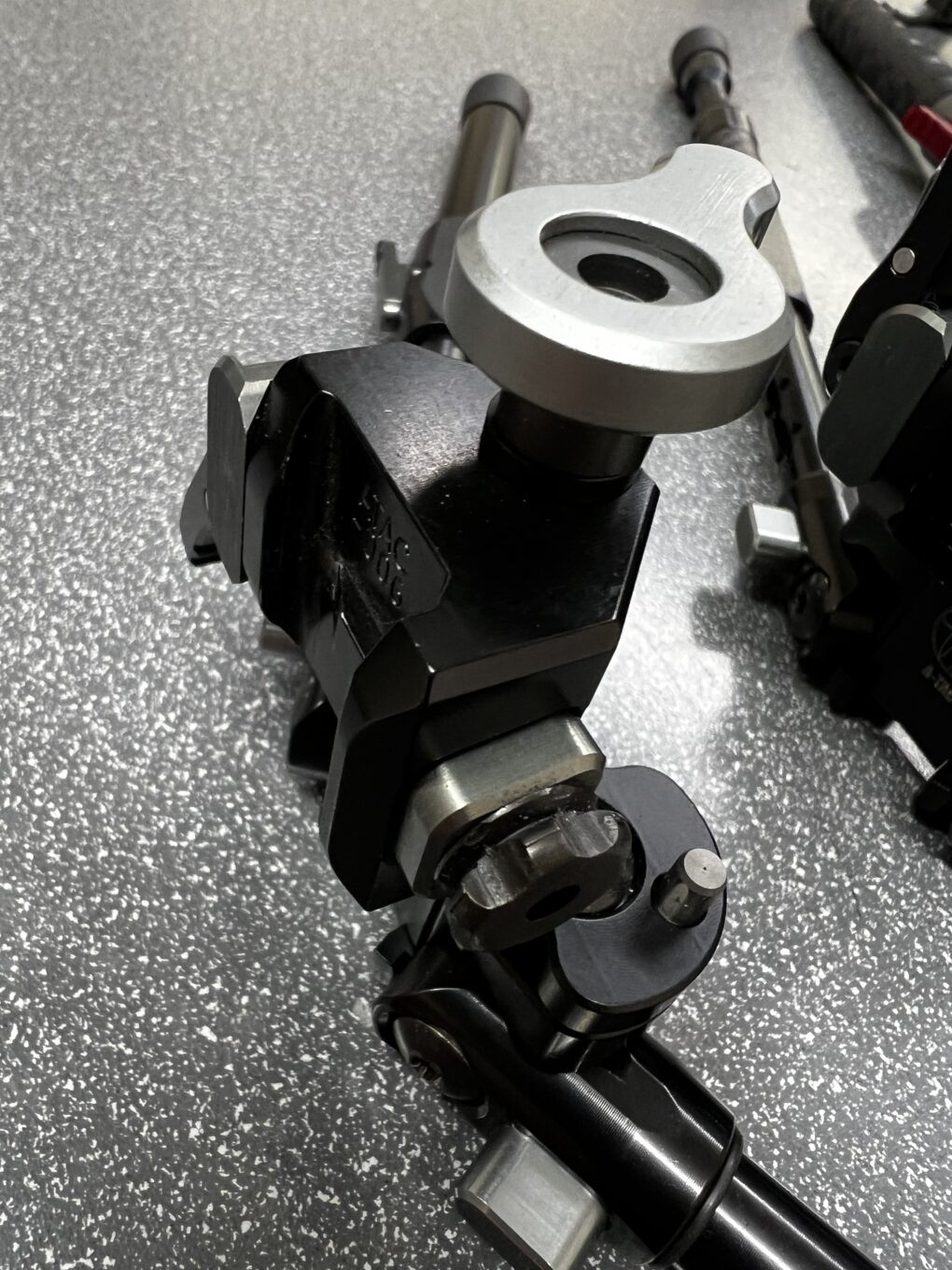
ATAC Bipod: Versatility and Performance in the United Kingdom
The ATAC Bipod is built around versatility. It is modular, lightweight, and designed so you can change adapters and feet easily, even in the field. With construction in 7075T6 aluminum alloy and carbon fiber, it aims to deliver the performance of a heavier unit without carrying that same mass.
Its standout feature is leg movement. Each leg can move independently on three axes: rake forward, splay, and extend. That creates over 1200 possible configurations. For a shooter, that means one bipod can adapt to benchrest sessions, positional work, uneven terrain, and tactical chassis rifles with very few compromises.
ATAC also supports ARCA and Picatinny through interchangeable adapters and uses a Smooth-Cam QD system for secure attachment. Reviews from the United Kingdom highlight its adjustability, build quality, and strong performance, including use on air rifles where low clearance and wide stance are especially helpful.
Choosing the Best Benchrest Bipod for Your Needs
The best bipod for you depends on what you shoot, how you shoot, and what level of control you expect from the front end. Some shooters want a pure benchrest tool. Others want one reliable option that can move from the bench to field positions.
That is why comparing footprint, adjustment style, mount type, feet, and material quality matters. A wide FTR model, a tactical ACCUTAC, a flexible ATAC, or a joystick-driven SEB Neo-X can each be an excellent choice in the right role. Now let’s narrow it down by caliber, purpose, and rifle type.
Selecting Based on Caliber, Purpose, and Budget
Start with caliber and purpose. If you shoot heavier centerfire rifles or larger calibers, you need a front support with real strength and controlled recoil behavior. The Tier-One FTR is tested up to .50 caliber, while ACCUTAC is well suited to stronger recoil and tactical-style rifles. Both lean toward serious use rather than entry-level convenience.
Next, think about the style of shooting. For pure benchrest precision and fine control, the SEB Neo-X stands out because of its joystick and elevation system. If you need one unit for several rifles or positions, the ATAC offers broad adaptability through interchangeable attachment options, feet, and leg configurations.
Budget matters too. Premium products cost more because of materials, engineering, and adjustment systems. If you need a more affordable but still reliable option, the wider market includes names like Harris bipod and Caldwell. Still, for dedicated benchrest performance, premium designs usually justify their price through stability and repeatability.
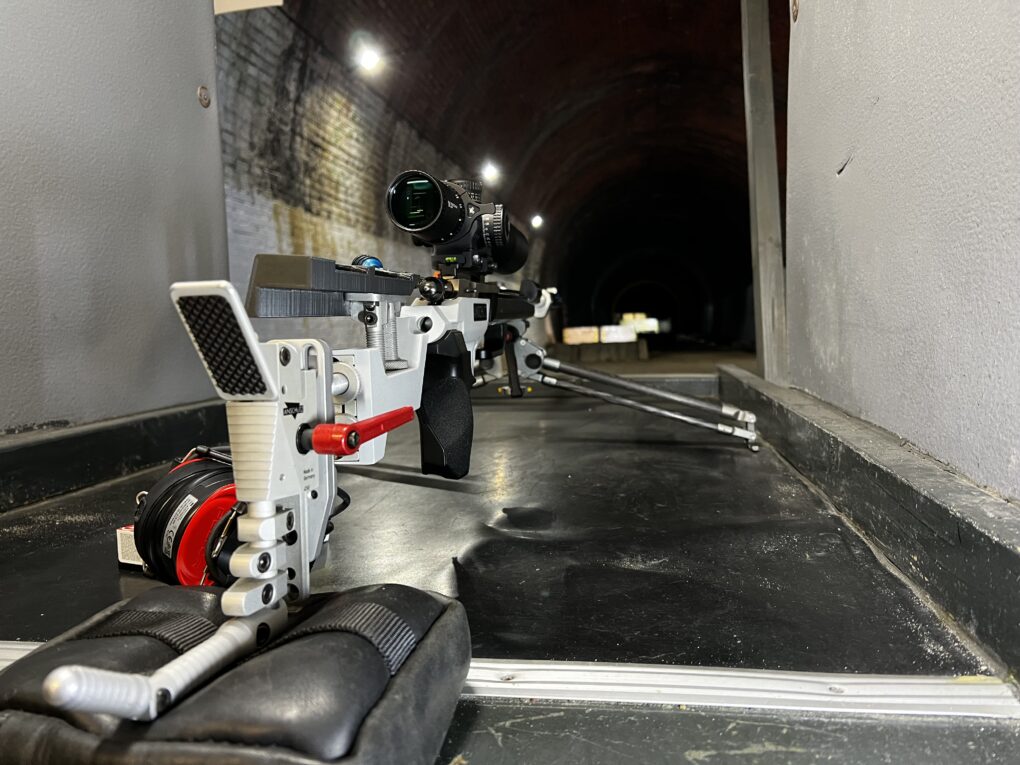
Benchrest Bipods for Airguns and Rimfire Rifles
Yes, some support systems work especially well for airguns and rimfire rifles. The compiled information notes that the SEB Neo-X can cover air rifle and rimfire targets, and the ATAC has also been praised by an air rifle shooter because of how low and wide it can run.
That is useful because airguns often have clearance issues, such as a bottle under the barrel. A benchrest bipod or front rest that can splay wide and stay low helps solve that problem. Rimfire rifles also benefit from steady front support because small aiming errors are easy to see on tiny targets.
For beginners, these platforms can be an excellent choice when learning consistency. A more stable front end lets you focus on trigger control and sight picture rather than fighting the rifle. You do not always need the most complex setup, but you do need one that fits the rifle correctly.
Conclusion
In conclusion, investing in a quality benchrest bipod is essential for achieving precision and stability in shooting. With features like tight tolerances, strong materials, and effective elevation control mechanisms, these bipods elevate your shooting experience. Whether you choose the versatile Tier-One FTR, the tactical ACCUTAC, or the innovative SEB Neo-X with its joystick adjustments, each option offers unique benefits tailored to different shooting needs. The right bipod can make all the difference in your accuracy and comfort, allowing you to focus on improving your skills. Explore your options today to find the perfect benchrest bipod that meets your specific requirements and enhances your shooting performance.
Frequently Asked Questions
What’s the difference between a standard bipod and one designed for benchrest?
A standard bipod is usually built for general field use, while a benchrest bipod focuses on a wider stance, more precise adjustment, and better recoil tracking. That gives you a steadier setup and a calmer shooting experience. The best bipod for benchrest is usually more specialized and less focused on portability.
How do I correctly set up a benchrest bipod for target shooting?
Use the right bipod mount for your rifle, level the rifle with the cant control if available, and set the height so the gun rests naturally on target. Keep the setup stable and repeatable. For benchrest precision, smooth elevation control and correct feet choice can improve your shooting experience.
Are there cost-effective benchrest bipods that deliver reliable performance?
Yes, there are cost-effective choices in the wider market, and brands like Harris bipod and Caldwell are often seen as a reliable option. Still, if your goal is dedicated benchrest performance, premium models usually offer better control, tighter construction, and features that move them closer to the best bipod category.